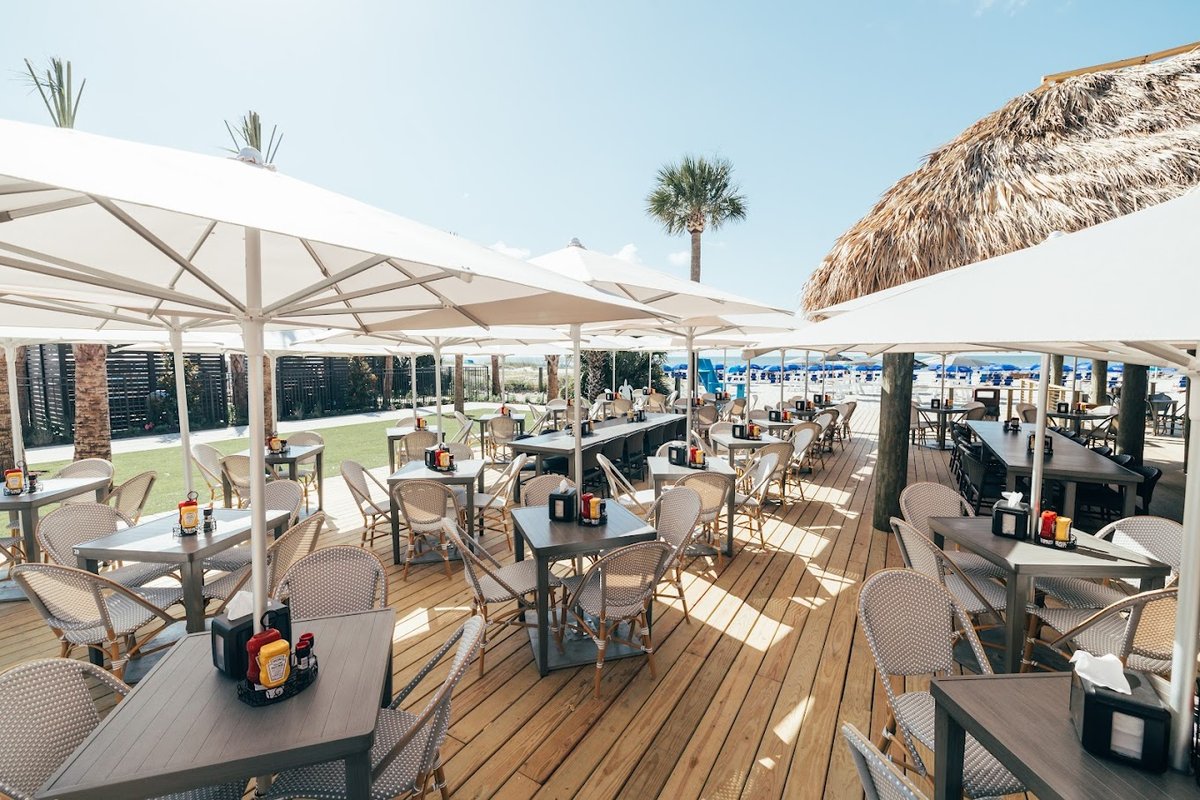
Stepping onto Hilton Head Island, you quickly realize this isn't just another beach destination. It's a place where the ocean breeze carries the scent of fresh catches and the culinary scene buzzes with a commitment to local flavor. At the heart of this vibrant ecosystem are the farm to table restaurants Hilton Head Island has cultivated, redefining fresh dining with an emphasis on ingredients sourced directly from nearby fields and coastal waters. These eateries aren't just serving meals; they're presenting a philosophy, a connection to the Lowcountry's rich agricultural and aquatic bounty.
At a Glance: Your Guide to Hilton Head's Farm-to-Table Scene
- Deep Dive into Local: Discover establishments prioritizing fresh, regional ingredients.
- Beyond the "Farm": Understand the critical role of "sea-to-table" dining on an island.
- Spotting Authenticity: Learn how to identify genuinely local, seasonal offerings on menus.
- Diverse Experiences: Explore options from casual coffee bars to upscale dining, all with a local focus.
- Actionable Tips: Get practical advice for planning your farm-to-table culinary adventure.
- Common Questions Answered: Address misconceptions about cost, availability, and dining style.
The Lowcountry's Culinary Roots: Defining Farm-to-Table on HHI
The "farm-to-table" movement on Hilton Head Island isn't a trend; it's an ingrained respect for the land and sea that sustain it. Here, it signifies a direct line from source to plate, ensuring peak freshness, supporting local economies, and providing a taste truly representative of the region. This philosophy extends beyond land-based farms to embrace the island's unique "sea-to-table" identity, where seafood harvested just hours earlier becomes the star of your meal. It’s about transparency, quality, and a dining experience that feels intimately connected to its surroundings.
Consider the journey of a tomato from a nearby Bluffton farm or oysters harvested from local waters; these ingredients dictate the menu, ensuring a dynamic and ever-changing offering that celebrates seasonality. This isn't just about healthier eating; it's about flavor intensity, sustainable practices, and enjoying food at its absolute freshest. For a broader perspective on the island's diverse dining landscape, you might want to Uncover Hilton Head's culinary gems, where you'll find more insights into what makes this destination a true food lover's paradise.
Meet the Maestros: Hilton Head's Dedicated Farm-to-Table Establishments
Several establishments lead the charge in bringing this ethos to life, each with a distinct approach but a shared commitment to local sourcing. These are the places where chefs work hand-in-hand with local farmers, fishermen, and artisans to craft dishes that tell a story of the Lowcountry.
FARM: A Pure Expression of Local Flavors
As its name suggests, FARM is deeply committed to featuring fresh, local ingredients. This isn't just a marketing slogan; it's the foundation of their menu, which adapts to what's available seasonally. You can expect dishes that highlight the natural quality of each component, often with creative preparations that allow the ingredients to shine. It's a prime example of how simplicity and quality combine to create memorable dining.
Nectar Farm Kitchen: Sustainable, Health-Conscious Creations
Nectar Farm Kitchen takes local sourcing a step further by weaving in principles of sustainability and health-consciousness. Their cuisine isn't just locally sourced; it’s presented with unique interpretations that elevate familiar ingredients. Think vibrant salads bursting with seasonal greens, thoughtfully prepared proteins, and inventive flavor combinations that make healthy eating feel like an indulgence. They prove that responsible sourcing can also be incredibly delicious and imaginative.
Cahill's Market: From Field to Fork, Literally
For a truly direct-from-the-farm experience, Cahill's Market stands out. This isn't just a restaurant; it's an extension of the farm itself, emphasizing the shortest possible distance from source to plate. Dining here means enjoying ingredients that are often picked or harvested just hours before they reach your table. It offers a tangible connection to the agricultural process, reminding diners of the effort and care that goes into producing quality food. The experience is rustic, authentic, and utterly fresh.
Bluffton Oyster Co.: The Epitome of Sea-to-Table
Given Hilton Head's coastal location, the "sea-to-table" movement is equally, if not more, vital. Bluffton Oyster Co. exemplifies this, specializing in incredibly fresh seafood sourced directly from local waters. While the name highlights oysters, their commitment to direct sourcing extends to other local catches. This means you’re tasting the ocean’s bounty at its peak, often prepared simply to let the natural flavors of the seafood take center stage. It’s an essential stop for anyone seeking an authentic Lowcountry seafood experience.
Fraser's Tavern: Family-Friendly Farm-to-Table at Sea Pines
Located within The Sea Pines Resort's Plantation Golf Club, Fraser's Tavern offers a more relaxed, family-friendly entry into the farm-to-table experience. Their commitment to local ingredients ensures that even casual dining can feature high-quality, fresh components. It's a great option for families who want to enjoy thoughtfully sourced meals in a comfortable setting, demonstrating that local eating doesn't always have to be formal.
Vine: Sophisticated Dishes, Local Roots
Vine brings a touch of sophistication to the local sourcing movement. Here, locally sourced ingredients are transformed into delicious, refined dishes. The knowledgeable staff often provides insights into the origin of ingredients, enhancing the dining experience by connecting you more deeply with your meal. Expect a well-curated menu that balances classic appeal with innovative twists, all while maintaining a strong commitment to local producers.
Java Burrito Co.: Organic, Farm-to-Table Fuel
Proving that farm-to-table isn't just for dinner, Java Burrito Co. operates as an organic farm-to-table coffee and burrito bar. They extend the philosophy to everyday staples, utilizing locally sourced and organic ingredients for both their coffee and burrito offerings. This spot highlights how conscientious sourcing can infuse even a quick, casual meal or a morning coffee with quality and a commitment to local producers. It’s a perfect example of how the movement permeates various dining styles.
Navigating the Menus: How to Spot a Truly Local Dish
When exploring farm-to-table restaurants Hilton Head Island offers, it helps to know what cues to look for on a menu. A genuinely local focus goes beyond a generic "seasonal vegetables" listing.
- Specific Sourcing: Look for mentions of actual farm names (e.g., "tomatoes from [Farm Name]"), local fishing boats, or regional purveyors. This transparency is a hallmark of commitment.
- Seasonal Offerings: Menus that change frequently, sometimes even daily, indicate a reliance on what's currently fresh and available from local sources. Don't expect the same exact dish year-round.
- Regional Specialties: Dishes featuring Lowcountry staples like Carolina Gold rice, local shrimp, collard greens, or specific types of oysters (e.g., May River oysters) are often indicators of local sourcing.
- Chef's Specials: Often, daily specials are where chefs get to showcase the absolute freshest ingredients that just came in, acting as a direct link to the day's harvest or catch.
- Simplicity in Preparation: While not always the case, many farm-to-table chefs let the quality of the ingredients speak for themselves, opting for preparations that enhance rather than mask natural flavors.
Example: A menu item like "Pan-Seared Triggerfish with Sweetgrass Dairy Grits and Local Asparagus" tells a much clearer story than just "Fish of the Day with Grits and Asparagus." The specific mention of "Sweetgrass Dairy" (a well-known regional producer) and "local asparagus" immediately signals a farm-to-table approach.
Your Farm-to-Table Playbook for Hilton Head
Making the most of Hilton Head's farm-to-table scene involves a bit of planning and an open mind. Here's how to craft an unforgettable culinary journey:
- Research and Reserve:
- Start Online: Visit the websites of restaurants like FARM, Nectar Farm Kitchen, and Vine. Look for "About Us" sections, sample menus, and any mention of their sourcing philosophy.
- Call Ahead: Especially for smaller or more popular spots, a reservation is often crucial. This is also a great opportunity to ask about current seasonal specials or sourcing practices if you have specific interests.
- Check Hours: Confirm operating hours, as some establishments, like Sunrise Café (a top-rated local spot for breakfast, brunch, and lunch, open Wed-Sun, 6 a.m. to 2 p.m.), have specific timings.
- Embrace Seasonality:
- Be Flexible: Don't go in with a rigid expectation for a specific dish you saw online three months ago. Menus change with the seasons.
- Ask Your Server: Engage your server about what's freshest and most local. They are often your best guide to the day's specials and ingredient origins.
- Taste the Moment: Order dishes featuring ingredients that are currently in season for the Lowcountry—whether it's soft-shell crabs in spring, peaches in summer, or root vegetables in winter.
- Explore Diverse Experiences:
- Beyond Dinner: Remember that farm-to-table isn't just about upscale dinner. Start your day with organic, locally sourced coffee and burritos at Java Burrito Co.
- Casual Eats: Enjoy a hearty, farm-fresh breakfast at Sunrise Café (try their Stuffed French Toast or Crab Cakes Benedict) or a family-friendly meal at Fraser's Tavern.
- Market to Table: For a very direct experience, consider Cahill's Market where the line from farm to table is almost non-existent.
- Deep Dive into Seafood:
- Prioritize Local Catches: Given the island's location, look for specific mentions of local fish and shellfish. Bluffton Oyster Co. is a clear leader here.
- Know Your Varieties: Familiarize yourself with local seafood like May River oysters, local shrimp, or various white fish caught in nearby waters. An upscale dinner spot might offer Local Lemon Butter Clams sourced directly from Beaufort, or Flounder Casino with deviled crab stuffing.
- Consider Dietary Needs:
- Communicate Clearly: Farm-to-table restaurants often have a better understanding of individual ingredients due to their sourcing. Communicate any allergies or dietary restrictions clearly when ordering.
- Flexibility: Some establishments, like a family-owned spot known for its hand-me-down recipes and featuring a famous chicken salad plate, offer gluten-free and vegan options alongside a robust kid’s menu.
Quick Bites: Answering Common Farm-to-Table Questions
Is farm-to-table dining always more expensive?
Not necessarily, but it often reflects the true cost of quality. While prices might be slightly higher than establishments relying on mass-produced ingredients, you're paying for fresher, often organically grown produce, humanely raised meats, and sustainable fishing practices. The value often lies in the superior taste, nutritional content, and support for local businesses.
Do farm-to-table restaurants offer options for kids or picky eaters?
Many do! Fraser's Tavern is explicitly family-friendly, and a family-owned eatery mentioned in the context offers a robust kid’s menu. While the focus is on quality ingredients, chefs are often adept at creating simpler, delicious dishes that appeal to a wider range of palates. It’s always best to check the menu online or call ahead if you have specific concerns.
How reliable is the "local" claim?
Most reputable farm-to-table restaurants are transparent about their sourcing. Look for specific farm names, fisherman names, or regional purveyors on the menu. Don't hesitate to ask your server about the origins of ingredients; an informed staff is a good sign of genuine commitment. The trend towards hyper-local sourcing often means these establishments are proud to share their connections.
What's the difference between "farm-to-table" and "sea-to-table"?
"Farm-to-table" broadly refers to ingredients from land-based agriculture. "Sea-to-table," a vital subset on Hilton Head Island, specifically emphasizes seafood caught or harvested from nearby waters, ensuring utmost freshness and sustainability in marine products. Both share the core philosophy of direct sourcing and minimal intermediaries.
Can I find farm-to-table options for breakfast or lunch?
Absolutely! Java Burrito Co. provides organic, locally sourced options for coffee and burritos, perfect for a quick and fresh meal. Sunrise Café is a top-rated local spot for breakfast, brunch, and lunch, known for its daily staples and fresh ingredients. The movement spans all meal times, offering fresh choices throughout the day.
Savoring the Island's Bounty
Hilton Head Island's commitment to the farm-to-table movement is a testament to its culinary integrity and community spirit. It’s an invitation to experience food not just as sustenance, but as a direct connection to the Lowcountry's vibrant ecosystem. By seeking out these dedicated eateries, you're not only guaranteeing yourself an exceptionally fresh and flavorful meal but also contributing to a sustainable and thriving local economy. So, next time you plan your dining on the island, prioritize these culinary gems. Engage with the menus, ask about the ingredients, and allow the stories of the land and sea to unfold with every bite. Your palate, and the island's producers, will thank you.